Write Your Story Day

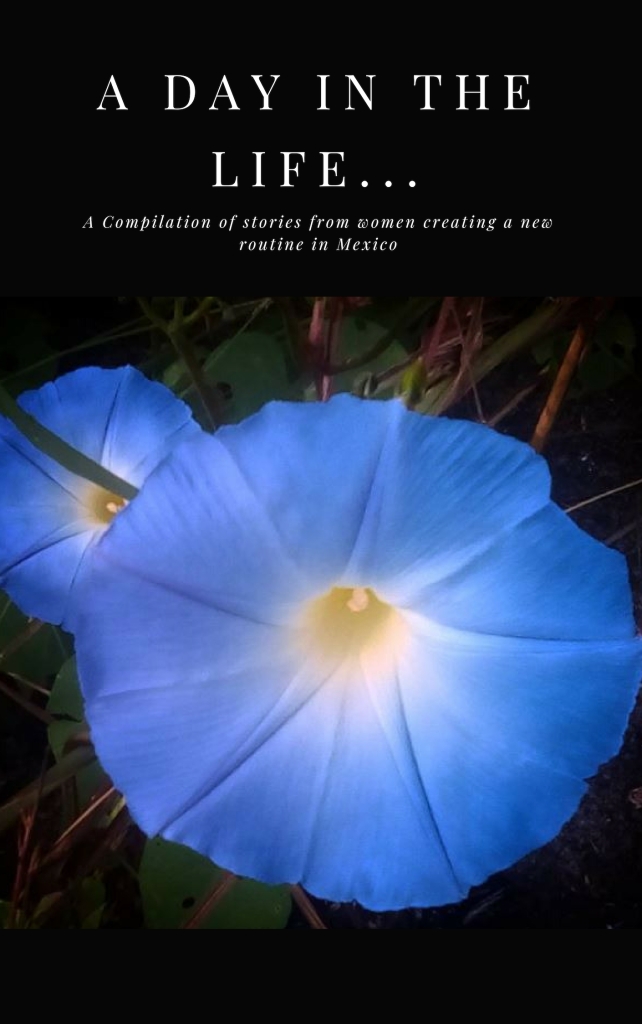
In honor of National Write Your Story Day you can download A Day in the Life — A Compilation from Women Creating a New Routine in Mexico and read about women who have created a new routine in Mexico!

Call for Submissions: If you are a woman living in Mexico, you are welcome to submit your story for inclusion for the next edition.

← Back

Thank you for your response. ✨

Warning
Warning
Warning
Warning

Warning.

The Last Valentine by Felix Alexander

the last valentine

The Last Valentine by Felix Alexander is set on the island of Puerto Rico in 1935.  Chief Inspector Guillermo Sedeno suspects his long-time rival, Inspector Javier Villalobos, stole a crucial piece of evidence in an unsolved murder case, an unsigned blood-stained love letter.  After the love letter falls into the hands of young Olivia Esperanza Villalobos, she and her dearest friend Isaac Quintero set out in search of the Labyrinth of Love Letters, unaware that the chain of events their investigation set into motion will change so many lives.

We never know our journey before it begins, but in hindsight we discover that every experience we have is meant to be ours and ours alone

The writing in The Last Valentine by Felix Alexander is reminiscent of Gabriel Garcia Marquez or Isabel Allende.  It was lyrical, poetic, full of overlapping characters and stories started in one section that are not finished until later if at all.  It was like reading a dream and I was carried away.

One point that detracted from the story was the number of persistent errors.  Olivia, as a romantic heroine is apt to do, often lay down on her bed.  Several times the author made the grammatical error of saying Olivia lied down in bed or lied awake.  (Lay vs. Lie (vs. Laid) There were several apostrophes versus plural errors (ranting’s) and incorrect use of it’s rather than its, (See Apostrophes Rule 2b), as well as a few humorous homophone mistakes. (He went on a steak out.  What was his roll in the crime?)

A few items that were referred to were out of place in a novel set in Puerto Rico in the 1930s.  Olivia’s self-conscious reaction about her belief in the Labyrinth of Love Letters is compared to the feeling of being the last of her friends to discover Santa doesn’t exist. Although the island had been under US military control since 1898, and English was mandated as the official language since 1917, I wouldn’t think that Santa Claus would have been a popular figure in Puerto Rico at the time.  Even today, most of Latin America still receive their gifts from Los Reyes Magos on January 6th rather than a visit from Santa. (See Three Kings Day in Puerto Rico) Appropriate mention is given to El Dia de los Reyes later in the book as one of the most important religious holidays in Puerto Rico.

Another issue was the name of one of the married women.  Carmen Alicia de la Vega was married to Fernando Gonzalo de la Vega.  Although women commonly take their husband’s name after marriage in the United States, this is NOT a custom in Puerto Rico.  Therefore Carmen Alicia, being a “woman of status” before marriage would not assume her husband’s name no matter how prestigious he was.  Instead, she would keep both her maiden last names (her father’s and her mother’s) and add the word “de” followed by her husband’s name indicating her married status.  (See Naming customs of Hispanic America) Of course, it would be a bit cumbersome to be known as Carmen Alicia Gonzalez Reyes de De la Vega, for example.  Nonetheless, this is the custom.  Another female character is mistakenly referred to repeatedly as Angelica de las Fuentes.  However, her full name was Angelica Montana de las Fuentes.  De las Fuentes would have been her mother’s last name and the abbreviated form should have been Angelica Montana. Yet she was reportedly the daughter of Don (Sir) Enrique de las Fuentes.  Therefore, her name should have been written as Angelica de las Fuentes Montana.

This custom of carrying both the father’s and the mother’s name into the next generation would have been helpful in unraveling the intricately woven relationship between the characters. For example, it would have been useful to know that Inspector Guillermo Sedena’s second last name was Colon.

Then there is the mortician who prepared the dead for the ferryman and placed two coins on the eyes sockets before sealing the casket.  Again, I found this incongruent to the context of the story.  The placing of coins on the eyes of a dead body began so that the dearly departed could pay the ferryman Charon to cross the river Styx, a decidedly Greek tradition.  (See Why do they place coins on the eyes of the dead?) I thought perhaps there was a similar belief held by the Taino people, the original inhabitants of the island, however, I could not find one. (See Taino spirituality) So I was baffled by this action. It may have been that just as Isaac’s uncle was well versed in the Greek gods, the mortician may have been similarly educated.  Had he developed an affinity with Charon the ferryman because of his profession and this affinity prompted the coins?  It wasn’t explained.

I found the mention of La Llorona to be consistent with the story found throughout Latin America. (See La Llorona returns) On the other hand, El Cucuy, the boogeyman that comes for disobedient children, is better known as El Cuco in Puerto Rico.  El Cucuy apparently only gathers up disobedient Mexican children. Another legend was left unexplained. I was unable to find anything that would indicate what the story of “Las Lagrimas Perdidas (the lost tears) from a small town in southern Spain” might refer to.  I would have been interested in hearing how that legend fit into this story.

four star It really was a lovely, poetic story.  It would appeal to the romantics of any age.  Realists might get hung up on the details.  Perhaps I’m a realistic romantic then.

When we reach the end of our lives,

Read more about this book here.  Get your own copy here.  This book was an OnlineBookClub.org Book of the Day.
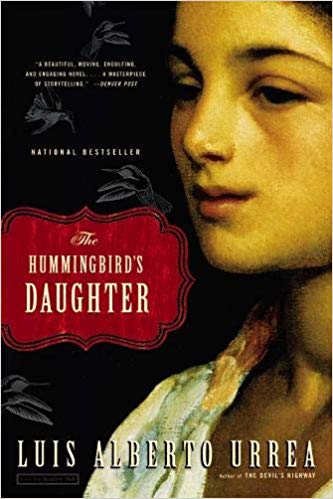
The Hummingbird’s Daughter by Luis Alberto Urrea

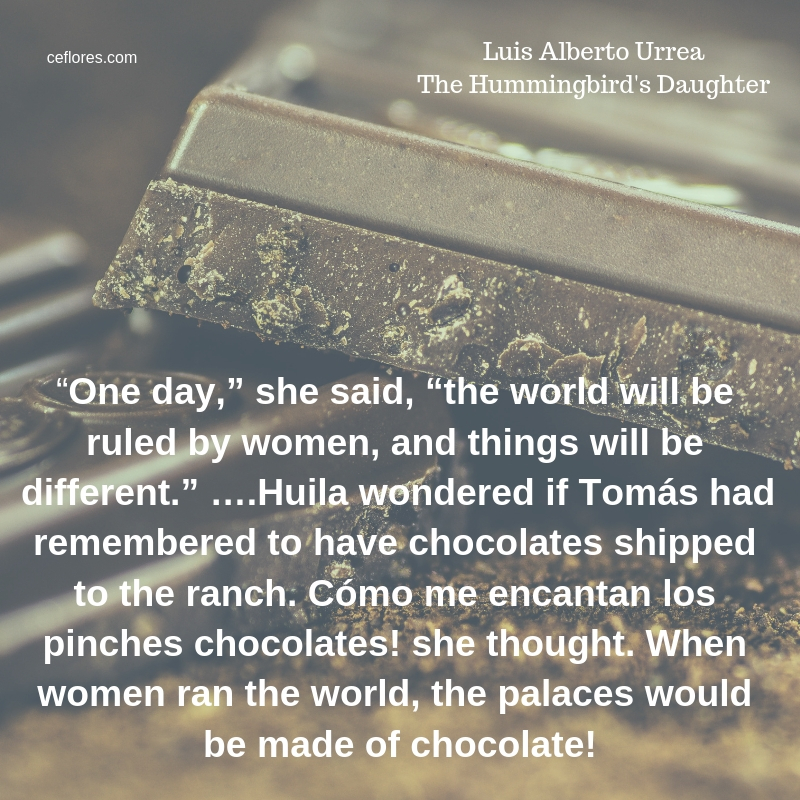
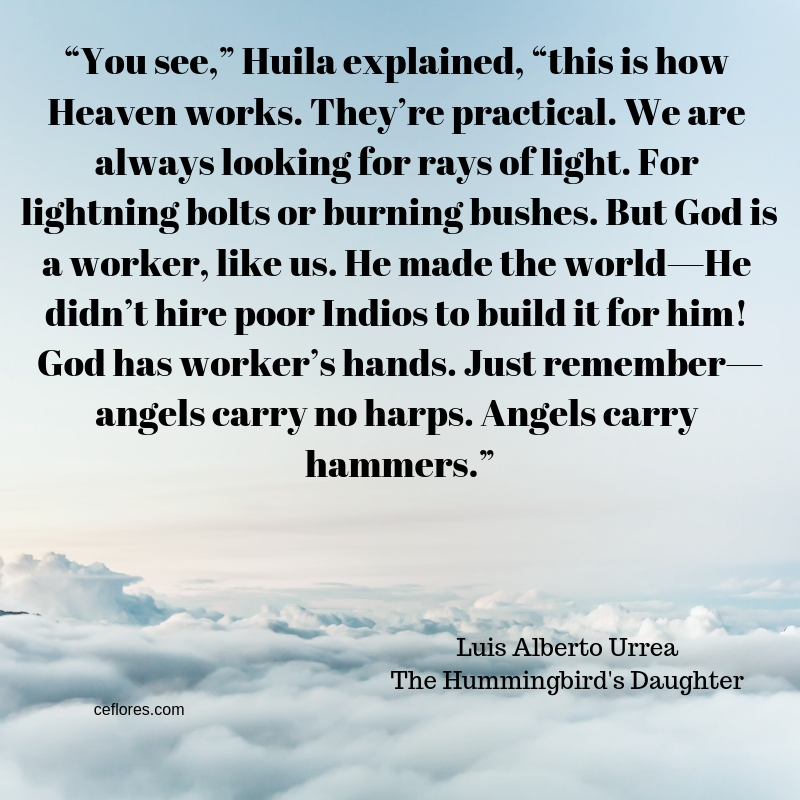
The Hummingbird’s Daughter by Luis Alberto Urrea is a story that flows. Those of you who know Mexico will see all sorts of true reflections of that diverse, troubled land as you read. You’ll find yourself nodding along in understanding of those strange and wonderful customs and beliefs described which are found nowhere else. You might even learn a few new tidbits.

Set during the turbulent years just prior to the Mexican Revolution, in Sonora, Mexico, the story centers on Teresita, the illegitimate daughter of the ranch owner, Tomas Urrea, and a 14-year-old indigenous servant, Cayetana Chavez. The author’s imaginative story about Teresita’s early life is absolutely riveting.

Teresita lives with her aunt after her mother abandons her as a child. Then Teresita is trained by Huila, the ranch’s curandera (healer) after she is rescued from the aunt’s abuse. She suffers a fit of some sort as a teenager after an attempted rape, which gives her divinely inspired healing powers once she recovers.

As the legend of her healing ability grows, the indigenous patients she treats begin to venerate her as a folk saint. This angers both the Catholic church and ruling dictator Porfirio Diaz. Eventually, her notoriety becomes so powerful that she and her father are exiled from Mexico.

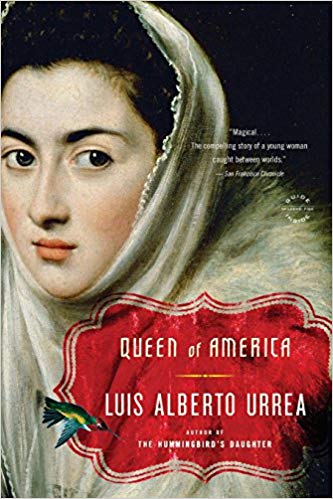
Her story north of the border continues with Queen of America.

If you’d like to read more about this fascinating woman’s life, you can do so here.

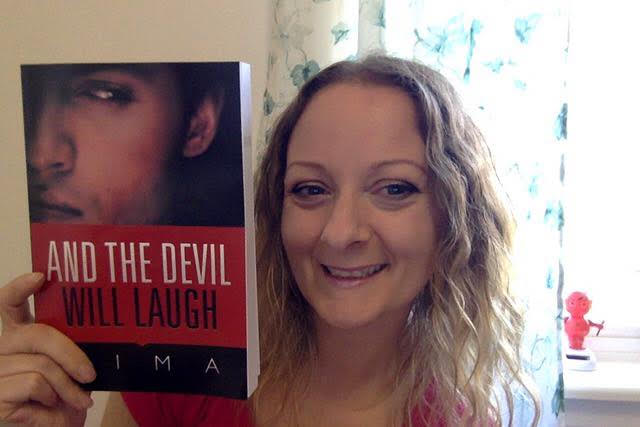
Mima

My pen name is Mima but my real name is Michelle M. Arsenault.
I’m originally from Prince Edward Island, Canada and although I’ve lived coast to coast, I’m currently back on PEI. Although my feet aren’t nailed to the ground.

Since publishing my first book, I’ve had to find a balance between writing, my day job and social life etc. I haven’t always been very good at this but over time, managed to adapt my schedule accordingly. I also get up much earlier than I used to (usually 6 a.m) in order to get something accomplished every day. For this reason, I don’t have many late nights and definitely no late night parties, since I want to wake up fresh and clear each morning. My days are very full but I’ve learned you can always find a way if you’re passionate about what you do.

My belief system has changed vastly over the years. I now think it’s more important to focus on my art and be creative rather than worrying about being ‘discovered’ and becoming a best-seller. You can’t allow your ego to get involved or you will be doomed because some people will love your books, some people will hate them and if you allow their feelings to dominate your worth as an artist, you will find yourself on a very rocky path.

I have grown much more confident in myself. I used to be a perfectionist and that almost made me quit writing. Now, I don’t allow myself to get upset if I find mistakes in my books, if I misspeak in a radio interview or if I have a bad hair day in one of my YouTube videos. Who cares? If anything, that’s what makes me relatable and real.

I used to worry about editing my books. It was to the point that I almost drove myself crazy rereading one sentence, repeatedly until I almost drove myself mad. Now, I have people helping me out and if a mistake goes through to the published book, so be it.

I sometimes feel like I’m not being taken seriously as a writer. I feel like most people would rather grab a book from a best-sellers list or whatever Oprah has suggested than take a chance on a less known author and that’s pretty frustrating.

My characters keep me going. They want their story to be told and who am I to say no?

The fact that I’ve published ten books makes me pretty proud. I feel like I’ve faced a lot of my fears along the way and continue to do so. I’m proud of the fact that I am persistent and aggressive when it comes to marketing my writing and dealing with issues, such as with publishers, booksellers etc.

I miss taking a day off. I’ve heard it’s lovely.

Overnight success is no longer important to me. I know hard work is the key.

The defining moment for me was when I realized that the story writes itself, that the characters create themselves and all you have to do is make your mind be quiet….and listen.

If I have any free time, I enjoy watching Netflix programs, documentaries and reading. I work a couple of jobs on the side and usually exploring new options.

Currently, I’m finishing my 11th book and I’m attempting to write a pilot episode for my current book series.

You can find me at:

Mima on Fire

Twitter

Facebook

Instagram

Also, I have bookmarks (see below) and would be happy to send some to anyone interested (while supplies last). I just need your mailing address.

← Back

Thank you for your response. ✨

Warning
Warning
Warning
Warning

Warning.

Featured by A to Z Challenge

AtoZ2019BookTour

Well, much to my surprise, I was featured this month by the A to Z Challenge crew! On February 10, my guest post was here. I wrote an A to Z list about how to turn your blog posts into books, which of course, I have experience doing. I like the list so much that I think I’ll expand on it for the April A to Z Challenge.

atozcover

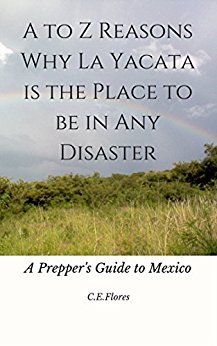
My book A to Z Reasons Why La Yacata is the Place to Be in Any Disaster: A Prepper’s Guide to Mexico was also featured by the A to Z Team in my first ever book hop! You can find the features by:

So if you get the chance, hop on by and share some love with these wonderful bloggers!

Read an E-Book Week March 3-9

In celebration of Read an E-book Week, March 3-9, you can get La Yacata Revolution: How Not to Buy a Piece of Heaven in Mexico free from Amazon for the next few days.  

What other ebooks do you plan to read this week?

Digital Learning Day Expat Course Discount

In honor of Digital Learning Day, Surviving Mexico‘s online course for expats is on sale! Read more about Surviving Voluntary Exile: Overcoming Common Obstacles to Making a Successful Life Transition HERE or head directly to the course and get 25% off with the promo code DLDAY.

The Mexico Diaries by Daniel Theodore Gair

A few months ago I was privileged enough to be a Beta reader for The Mexico Diaries: A Sustainable Adventure South of the Border. What a read!

The adventure for empty-nesters Dan and his wife Holly begins in 2005 when they began their search for that little bit of heaven everyone hopes to find in Mexico. Making a real estate purchase on the strength of a handshake and a scrap of paper from a less than emotionally stable guy named Steven, Dan and Holly struggle with completing the purchase long-distance, wading through the quagmire of ejido land grants, and the agonizing slow legal process Mexico is famous for.

These aren’t the only challenges. There are language and communication issues, both locally and further afield. The internet being what it is in Mexico has Dan climbing trees looking for a strong enough signal to complete important financial transactions. Then there is the constant battle with the local wildlife, snakes, iguanas, lizards, and tarantulas, that just don’t agree with the new rule that their place is OUTSIDE the house. Repairs and new construction projects are stubbornly done the Mexican way, much to the new owners’ bafflement while baby goats dance merrily on the top of vehicles.

Four years, a heart attack that nearly ends the deal for the would-be eco-warriors (spoiler alert–neither Dan nor Holly had the heart attack), and a few headaches later, 40 hectares of Mexican paradise is theirs and the real work begins. A whole slew of unimaginable characters, both human and animal, make their entrance (and sometimes spectacular exits) into Dan and Holly’s lives as they endeavor to create the self-sustainable lifestyle they envisioned.

Over the next few years, Holly becomes a goat-wrangler and Dan becomes the mascot for the yearly Mayto Calbalgata horseback pilgrimages. There’s no doubt in my mind that when the time finally comes for their Mexican adventure to end they’ll be able to say that they took to heart Hunter S. Thompson’s concept of life.

“Life should not be a journey to the grave with the intention of arriving safely in a pretty and well preserved body, but rather to skid in broadside in a cloud of smoke, thoroughly used up, totally worn out, and lou.jpg

So if you are looking for a whirlwind Mexican journey to sustainability and beyond I’m positive you’ll enjoy the stranger than fiction story found in The Mexico Diaries: A Sustainable Adventure by Daniel Theodore Gair.

5 star

How to Not Run Away to Mexico by Jennifer Robin Lee

If you haven’t guessed from the title, this book is chocked full of things that you SHOULDN’T do when you move to Mexico, as experienced by Jennifer who didn’t just move to Mexico once, but multiple times and with varying levels of success.not move to mexico

Her international adventures begin in 1994 when she moved from Canada to Monterrey to join the Mexican National Circus in Saltillo. Go ahead, roll your eyes, but we’ve all been young and foolish at least once in our lives. See, her cousin was dating a clown and well, it goes downhill from there.

On her second move to Mexico, she had a face-to-face encounter with the police in Guanajuato. In Spanglish negotiated her way out of a ticket with “No vas rapido. Yo tengo una plata. You tengo mi papeles. No problemo. Gracias. Adios Senor” and jumping back in her car leaving a perplexed representative of the law in the dust.

In some sort of karmic retribution, Jennifer’s Audi broke down outside of Leon and it took thousands of dollars and YEARS to get the vehicle fixed and returned to Canada.

On another occasion, Jennifer was saved by Jesus himself (well, his representative on earth Jesús anyway) from being hauled away to the slammer after a fender bender. In Cozumel, she met a hunky scuba diving instructor Raul which resulted in love and a near-drowning incident.

A Canadian custody issue meant she was detained at the U.S. border. Then years of legal travail in Canada ensued before she could return to Mexico, this time with a man from the Dominican Republic that she had met in Canada and their two toddlers. Of course, Interpol still had her name on the list and that caused some issues entering Mexico to retrieve her Audi.

When she tried to leave, well, there was a shake-down at the Mexican border and unnecessary delays at the Canadian border causing her to declare that it was the Worst. Road trip. Ever.

Then she moved to Mexico AGAIN! This time she was more prepared and the transition, while not exactly smooth, was successful.

I can honestly say that I am so glad to have not experienced even a quarter of the disasters that Jennifer experienced. But as they say, there’s a silver lining in every cloud.

So if you are looking for a bit of humor about moving to Mexico, then How to Not Run Away to Mexico is the book for you!

four star