
I have several niches for my books and will focus on the herb books this year. If I find this type of activity improves my sales, perhaps I’ll try the marketing challenge on the other niches in the future.
So here’s the breakdown of what I got done in January. Feel free to use the outline for your own marketing strategy.
Focus: Create a Solid Foundation
Step 1: Identify Your Target Audience
- Demographics:
- Age range (middle age)
- Gender balance (mostly female)
- Geographic location (Mexico, US, Canada)
- Interests:
- What genres or topics do they enjoy? (herbalism)
- What platforms do they use? (Bluesky, Pinterest, Threads)
- Needs and Challenges:
- What problems, desires, or questions could your book address?
- Understanding the use of native plants in Mexican herbalism
- Why would they pick your book over others?
- It’s written in English rather than Spanish.
- What problems, desires, or questions could your book address?
- Profile Example:
- Create an “ideal reader avatar”
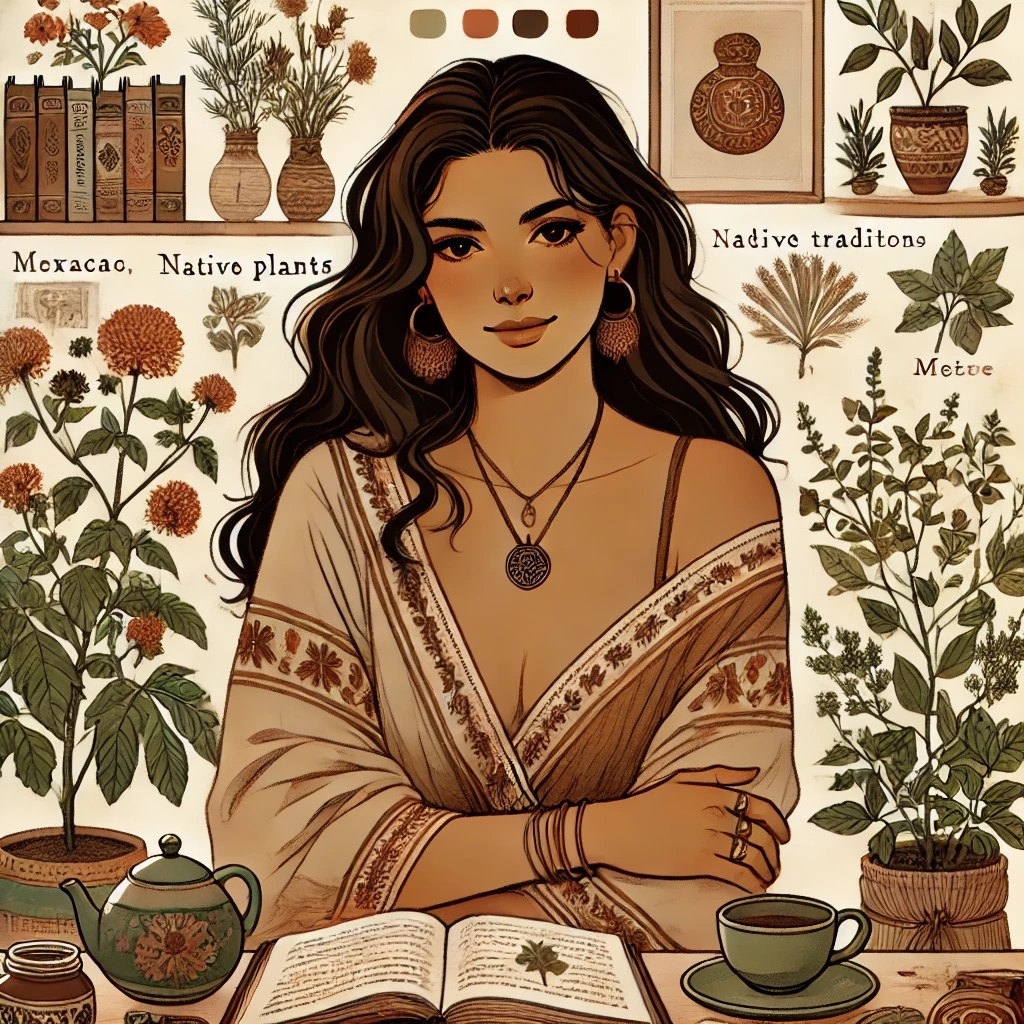
Ideal Reader Avatar: Sofia the Herbal Enthusiast
Demographics
- Name: Sofia Martinez
- Age: 45
- Gender: Female
- Location: Lives in the United States (California), with family roots in Mexico
- Education/Profession: Educated professional (e.g., teacher, wellness coach, or small business owner). Interested in holistic wellness and cultural traditions.
Interests
- Primary Passion: Herbalism and natural remedies.
- Related Interests:
- Cultural heritage and preserving ancestral wisdom.
- DIY natural skincare or remedies found on Pinterest.
- Sharing knowledge or connecting with like-minded individuals on Threads or Bluesky.
Needs and Challenges
- Pain Points:
- Struggles to find comprehensive resources on Mexican herbalism in English.
- Finds most herbalism books focus on Western or Ayurvedic traditions rather than native Mexican practices.
- Wants to reconnect with her cultural roots or learn more about them for personal growth or teaching others.
- Desires:
- A deeper understanding of the traditional use of native plants in Mexican herbalism.
- Practical, easy-to-follow instructions and recipes to integrate into her life.
- A book that feels approachable yet honors cultural authenticity.
Why She Picks Your Book
- Unique Selling Point (USP):
- Written in English for readers in North America who may not be fluent in Spanish.
- Combines traditional wisdom with modern accessibility, offering both cultural and practical value.
- Designed beautifully, making it a book Sofia would proudly display or gift to others.
Platforms Where Sofia Engages
- Bluesky: Explores niche communities discussing herbalism, wellness, and culture.
- Pinterest: Searches for natural remedies, plant-based recipes, and DIY herbal guides.
- Threads: Follows authors and thought leaders discussing ancestral wisdom, wellness trends, and cultural stories.
Sofia’s Day in the Life
Sofia begins her morning with herbal tea, a blend inspired by her grandmother’s remedies. While scrolling through Pinterest, she pins a guide on creating tinctures. During her work break, she checks Threads for quick insights from her favorite authors. In the evening, she unwinds by reading about plants like epazote and damiana, eager to understand their uses in traditional Mexican healing.
Step 2: Define Your Brand Voice and Message
Your brand is how readers connect with you as an author. Clarify:
- Tone:
- Friendly, professional, humorous, spiritual, etc.? (friendly, informative, sometimes humorous)
- Core Themes:
- What themes does your book explore? (traditional plant uses, remedies, scientific research supporting these uses)
- Key Messages:
- What should readers feel or learn from your book? (Readers should come away with a deep appreciation for traditional remedies, understanding that they are grounded in verifiable scientific principles.)
- A simple tagline for your book/brand (e.g., “Ancient Wisdom, Modern Science: Unveiling the Secrets of Mexican Herbal Healing”).
- Visual Identity:
- Choose consistent fonts, colors, and imagery for your website, social media, and marketing materials. (green/white cactus)

Step 3: Set Measurable Goals
Break your goals into manageable chunks:
- Sales Goals:
- How many books would you like to sell in 3, 6, or 12 months?
- 20 books per month
- Audience Growth:
- Website subscribers (SurvivingMexico.com at 909. By the end of 2025, 1000)
- Social media followers
- Engagement Goals:
- Secure reader reviews on:
- Amazon
- Goodreads
- Marketing Milestones:
- Host a launch event with 100 attendees. (not possible at current location in rural Mexico)
- Partner with 5 influencers or authors. (I find connecting difficult, but we’ll see what we can do this year)
Step 4: Optimize Your Author Website SurvivingMexico.com
Your website is your central hub. Ensure it is:
- User-Friendly:
- Book Landing Page: (LINK)
- Include your book cover, a compelling blurb, purchase links, and endorsements.
- Add an email subscription form with a freebie (e.g., a sample chapter). (It’s a website, not a newsletter, so no freebie) Can I add a freebie to the landing page? HMMMM
- SEO-Friendly:
- Use keywords that potential readers would search for.
- Create blog content related to your book’s themes.
- Track Performance:
- Install Google Analytics to monitor traffic and audience behavior. (I use JetPack)

Step 5: Design a Content Calendar for the Year
A well-planned calendar ensures consistent marketing:
- Start with Monthly Focuses:
January: Plant Healing Properties
Highlight the medicinal properties of various herbs and plants.
February: Cold & Flu Remedies
Share tips, recipes, and remedies to stay healthy during flu season.
March: Spring Cleansing and Detox
Focus on herbal remedies for gentle detoxification and preparing for spring.
April: Garden Planning for Herbalists
Share tips for starting an herb garden, focusing on native Mexican plants.
May: Women’s Wellness and Hormonal Balance
Explore herbs that support women’s health and hormonal harmony.
June: Herbs for Energy and Vitality
Share recipes and tips for staying active and refreshed in the summer heat.
July: Digestive Health and Herbal Teas
Share herbal teas and remedies for digestive health, perfect for summer indulgences.
August: Stress Relief and Relaxation
Focus on herbs like lavender and valerian for calming and relaxation.
September: Back-to-School Wellness
Offer tips for boosting immunity and focus during the school season.
October: Ancestral Healing Traditions
Dive into the cultural and spiritual significance of herbs in Día de los Muertos and ancestral practices.
November: Warming Herbs for Fall
Celebrate autumn with warming herbs like cinnamon and ginger for seasonal health.
December: Winter Wellness
Share recipes for atole or champurrado made with natural ingredients and herbs.
Offer tips for creating herbal punch (ponche navideño) with tejocote and other seasonal fruits.
Dive into the herbs and plants often used in tamales, such as hoja de maíz or hoja santa.
- Plan Content Types:
- Blog posts
- new plant studies each month (already scheduled for 2025)
- Updates on community advancement in La Yacata (need to write and schedule)
- Social media posts (e.g., quotes, teasers, videos). (plants/remedies & monthly book highlights)
- Email newsletters (e.g., updates, giveaways). (posts are sent as emails)
- Blog posts
- Schedule Regular Posts:
- Social media: 3–5 posts per week. (7)
- Blog: 1–2 posts per month. (2-3)
- Newsletter: 1–2 emails per month. (NO)
- Use Tools:
- Tools like Trello, Notion, or Google Sheets for planning. (Google Calendar/Google docs)
- Social media schedulers (e.g., Buffer, Hootsuite) for automated posting. (NO)
Whew! That was a lot to get done. But hopefully, with the foundation now set, I’ll be able to be more organized with my book marketing strategies. What would you add to this list?
*****************
Book Hawking: A Beginner’s Guide to Marketing Your Self-Published Book is your roadmap to turning your hidden gem into a must-read!

 C.E. Flores