

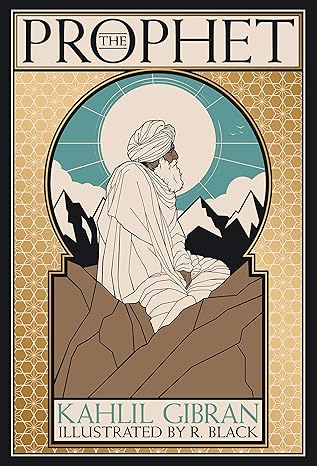
Kahlil Gibran’s The Prophet is a literary masterpiece transcending time and culture, offering profound insights into the human experience. First published in 1923, this collection of poetic essays remains an enduring classic, celebrated for its universal wisdom and lyrical beauty.
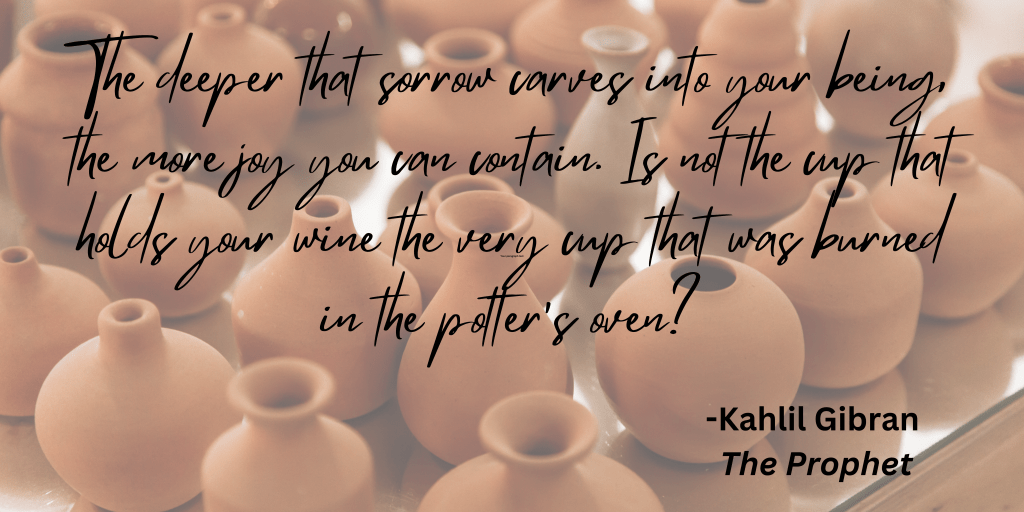
The story revolves around Almustafa, a prophet preparing to leave the fictional city of Orphalese after twelve years. Before his departure, the townspeople gather to seek his guidance on life’s most essential themes—love, marriage, children, work, freedom, pain, and death, among others. Each essay is an absolute jewel, blending poetic language with spiritual depth.

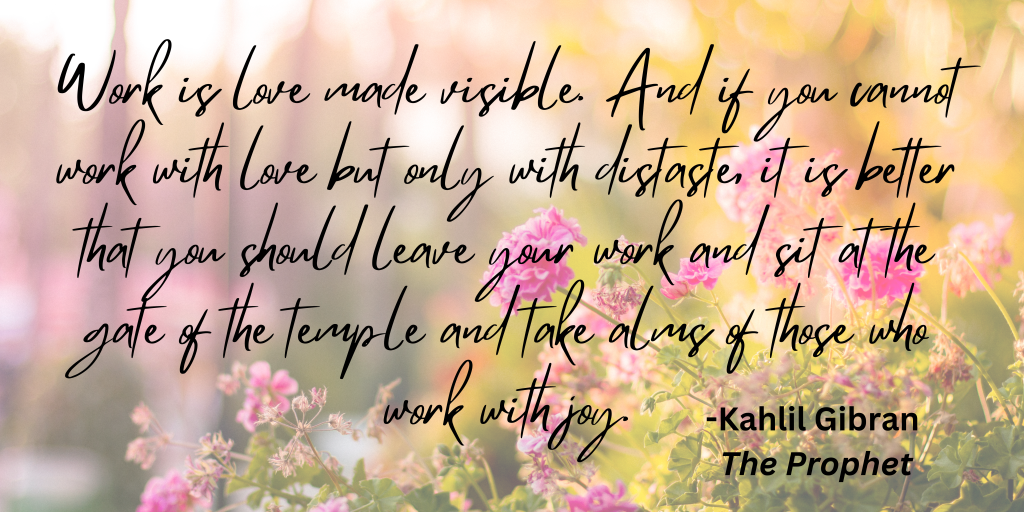
Gibran’s writing style is hypnotic and rhythmic, resembling scripture or sacred text. His use of metaphor and imagery is vivid, painting a tapestry of life that is both personal and universal. For instance, in the essay on love, Gibran describes it as a force that “gives nothing but itself and takes nothing but from itself,” urging readers to embrace its joys and pains as transformative. Similarly, his views on work as “love made visible” challenge conventional notions, elevating daily toil into an act of devotion.
What makes The Prophet timeless is its accessibility. Despite its spiritual undertones, it is not tied to any religion or ideology, making its teachings resonate across cultural and personal boundaries. It offers comfort and guidance to those seeking meaning and purpose, particularly during moments of transition or uncertainty. The Prophet is a luminous exploration of life’s deepest truths. It is a book to savor, revisit, and cherish—a companion for the soul.

 C.E. Flores