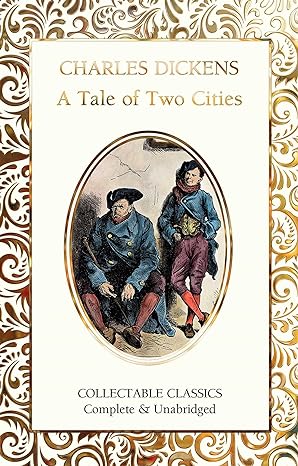
A Tale of Two Cities by Charles Dickens

I don’t believe I would have chosen this book on my own, but for over a year, I’ve been teaching the first two books of Charles Dickens’ “A Tale of Two Cities” to Chinese middle schoolers. Recently, I decided it was time to finish the book myself.

Had I been Dickens’ editor, I might have chided him on the one-dimensional portrayal of the lovely Lucie Manette, the object of all men’s desires (or at least the ones in this novel). I would have also had him fix that chapter that changed from the omniscient narrator to a first-person point-of-view. But alas, Dickens’ works can’t be rewritten to suit my standards. So be it.  

Despite these criticisms, I found great enjoyment in reading this classic. Particularly captivating was the pervasive sense of impending doom that permeated the period leading up to the French Revolution. Even characters who initially seemed secure in England found themselves swept away by the chaos of war. Among the characters, my favorites were Madame Defarge, driven by a relentless, if morally ambiguous, purpose, and Sydney Carton, who discovers redemption through self-sacrifice.

In conclusion, “A Tale of Two Cities” by Charles Dickens remains a timeless classic. The novel’s exploration of themes like sacrifice, redemption, and the tumultuous backdrop of the French Revolution ensures its enduring relevance and appeal. Through vivid storytelling and memorable characters, Dickens masterfully captures the essence of a pivotal moment in history, leaving a lasting impression on readers long after they’ve turned the final page.

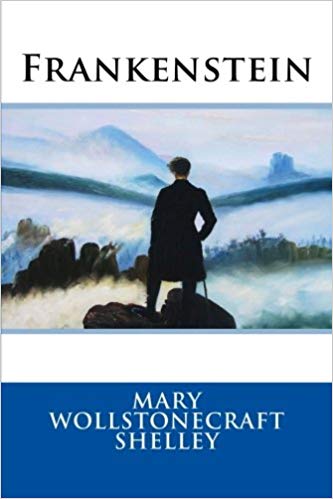
Frankenstein: or the Modern Prometheus by Mary Wollstonecraft Shelley

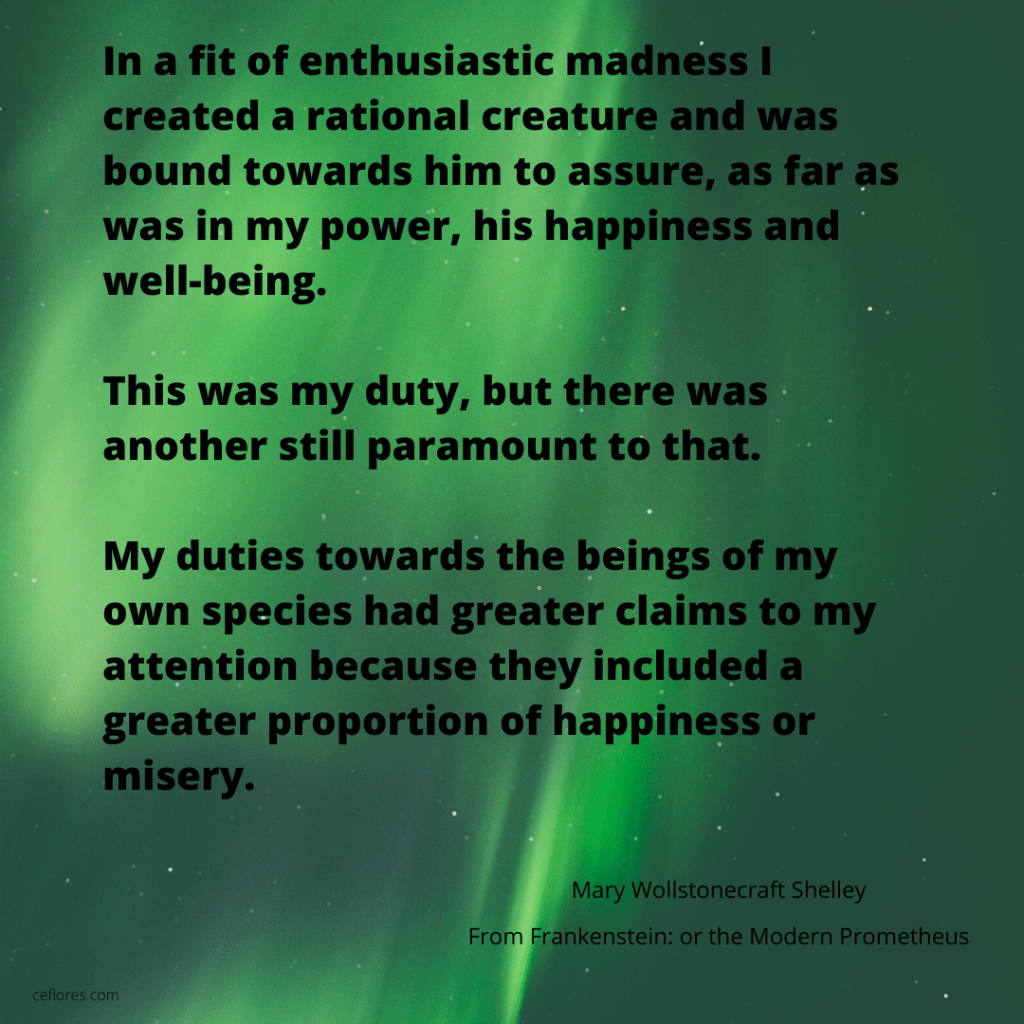
Frankenstein: or the Modern Prometheus by Mary Wollstonecraft Shelley is told through a series of letters from 28-year-old Robert Walton to his sister Mrs. Saville. While Robert is on an exploration in the Arctic ocean, he happens upon Victor Frankenstein and a single sled dog upon a float of ice. 

Victor is from Genovese, the eldest son of an important family who discovered a way to create the spark of life in inanimate bodies, from whence came all of his woes which he recounts to Roberto who then records the story for his sister.

Frankenstein’s creation is amazingly sensitive and fluent in German, French and English having taught himself by spying on different people he encounters. He manages to dress himself and forage for edibles without any difficulty at all. When the monster, who is never given a name, first speaks, I was astounded by the femininity of his speech. 

The creature begs Victor to create a companion for him to end his loneliness. When he refuses, the being exacts revenge by attacking Victor’s family and friends. In the end, despite the atrocities he committed, my sympathy was ever for the creation and not the creator.

The author’s own life was as pitiable as the monster’s. Her mother died shortly after Mary was born. She ran off with Percy Blythe Shelley, who was already married, at the age of 15. Mary herself lost several infants in quick success as she was writing Frankenstein, only one child surviving to adulthood. Her older sister commited suicide. Shelley’s wife also commited suicide, allowing the couple to finally marry. And then, Mary was widowed at 24 when Percy drowned. Is it any wonder that the monster speaks with such painful eloquence?