August 2025 Book Marketing Challenge

Refresh Your Content Strategy: Make It Relevant, Real, and Rooted

When was the last time you took a step back and asked: Is my content still connecting? If it feels like you’re posting just to keep up, without sparking engagement or joy, it might be time to refresh your content strategy.

Refreshing doesn’t mean starting over. It means getting clear on what matters, aligning your message with your mission, and delivering content that’s both helpful and authentic. For those of us who work with traditional wisdom, like herbalism, it’s especially important that our content reflects the depth and richness of what we carry.

Audiences today crave depth over polish. They want connection, not perfection. And that means your content should teach, inspire, or transform. Whether it’s a story about your abuela’s remedy for a sore throat or a step-by-step guide to building your own herbal apothecary, each post is an opportunity to build trust and share something meaningful.

Here’s the key: don’t just create content for content’s sake. Create experiences. Give your audience something they can use, something they’ll remember, and something they’ll come back for.

How I’m Refreshing My Content Strategy This Month

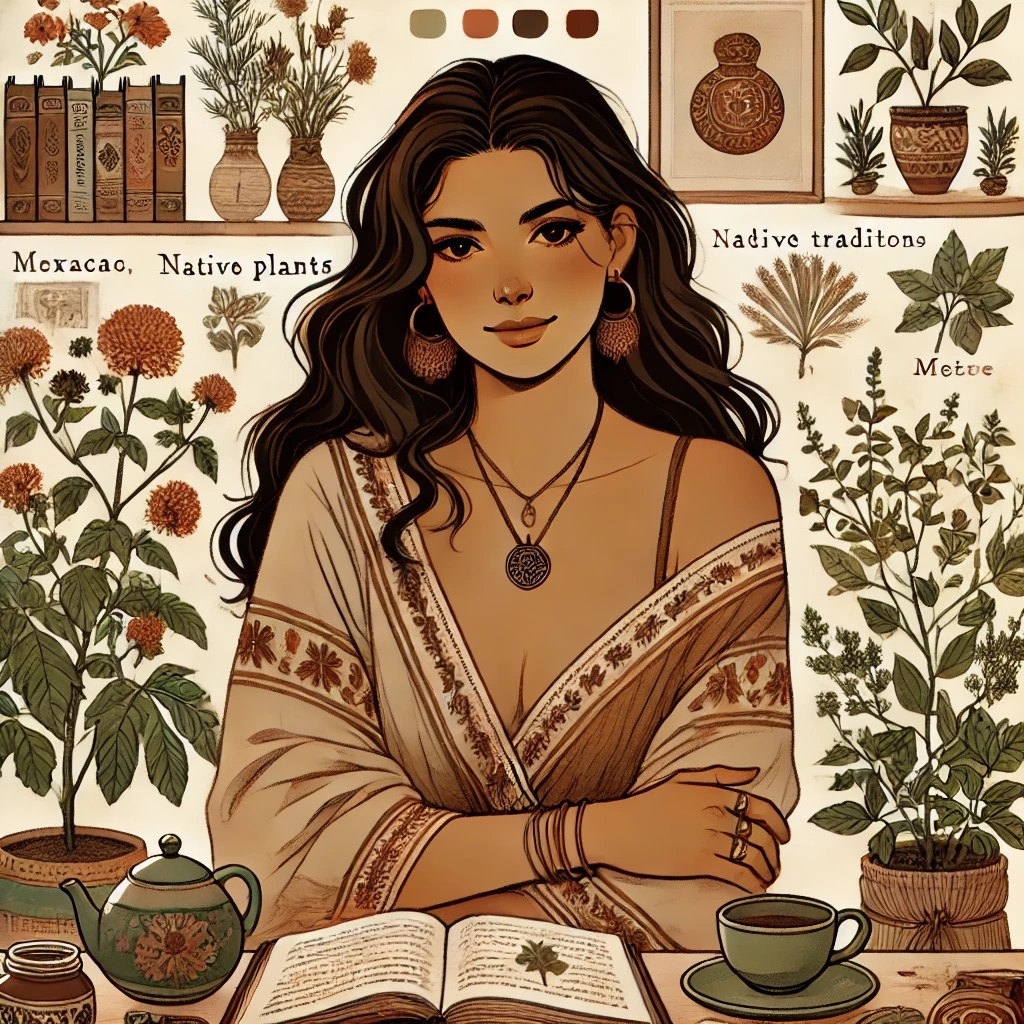
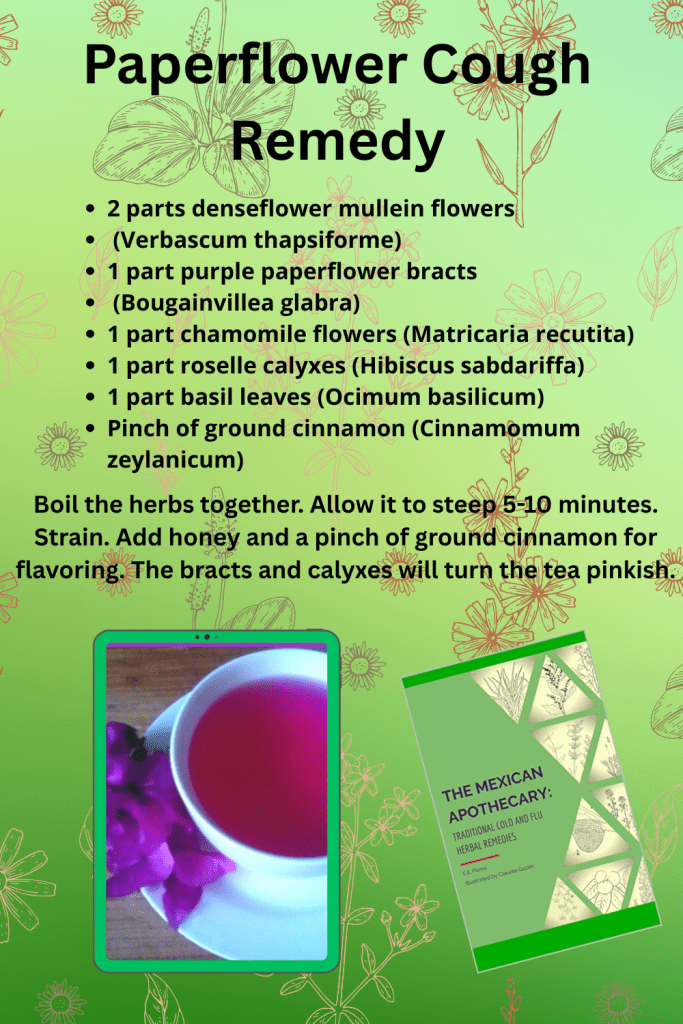
This month, I’m anchoring my content around something practical, beautiful, and deeply rooted in Mexican tradition: Cold & Flu Herbal Medicine. Each week, I’ll explore one theme: immune boosters, cough & congestion soothers, herbal steams, etc., using native plants and traditional knowledge.

I’ll be sharing herbal profiles, recipes, and personal reflections across Threads, Bluesky, and Pinterest. By grounding this content in culture and care, I hope to offer not just information, but connection.

How are you going to freshen up your content this month?

***

Book Hawking: A Beginner’s Guide to Marketing Your Self-Published Book is your roadmap to turning your hidden gem into a must-read!
July 2025 Book Marketing Challenge Update

When Ads Stop Working (and Trying Something New)

I’ve dabbled in Facebook ads before, but they’re just not for me. Instagram ads? Same story since my following there isn’t large enough to make a noticeable dent in sales.

Amazon ads, on the other hand, have historically been worth the investment. With the tracking tools Amazon provides, I could see they were bringing in results. But earlier this year, Amazon made some changes that threw a wrench into my progress.

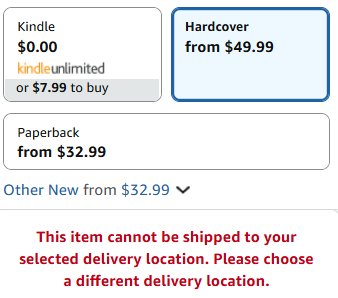
In January, proposed tariffs put a halt to shipping print books from the U.S. (where mine are printed) to other countries. This completely shut down the small but steady stream of sales I had in Mexico. The trickle went dry. Worse still, I can’t even order author copies to Mexico, where I live, which is an issue I’ll have to find a workaround for.

Then in June, Amazon raised print prices and changed its royalty structure so that only books priced above $9.99 qualified for the 70% royalty rate. That meant I had to raise my print book prices. But knowing this would push some readers out of the market, I made nearly all of my titles available as Kindle ebooks for KU reads.

The results? Immediate, but not encouraging. KU page reads shot up, but print sales plummeted. I had my worst sales month ever.

Because of this, I’ve decided to reduce my overall ad budget. I’m keeping my Amazon ads for now, but they’re not pulling their weight. And given that Amazon reported a 41% drop in sales during July’s Prime Day compared to last year, it’s clear I’m not the only one seeing a slowdown.

So, I decided to try something different.

In July, Ultimate Bundles was running their Ultimate Healthy Living Bundle, and I just managed to get my submission in before the deadline. I offered my book The Mexican Apothecary: Traditional Cold and Flu Herbal Remedies as an ebook, which is one of my books that isn’t available in ebook form on Amazon.

I didn’t expect to sell many bundles (and I didn’t), but that wasn’t my main goal. My real aim was to introduce my work to a new audience, people interested in healthy living and herbs, who might not otherwise have discovered me. My hope is that some of them will enjoy the book enough to check out my main series, Exploring Traditional Herbal Remedies in Mexico.

The writing life is full of experiments, and this was one of them. Here’s hoping August brings more traction.

****

Book Hawking: A Beginner’s Guide to Marketing Your Self-Published Book is your roadmap to turning your hidden gem into a must-read!
June 2025 Book Marketing Challenge Update

I’m pretty proud of myself for my efforts in June. June isn’t a big seller month with everyone doing summertime activities, but I think my efforts this month will pay off down the line. 

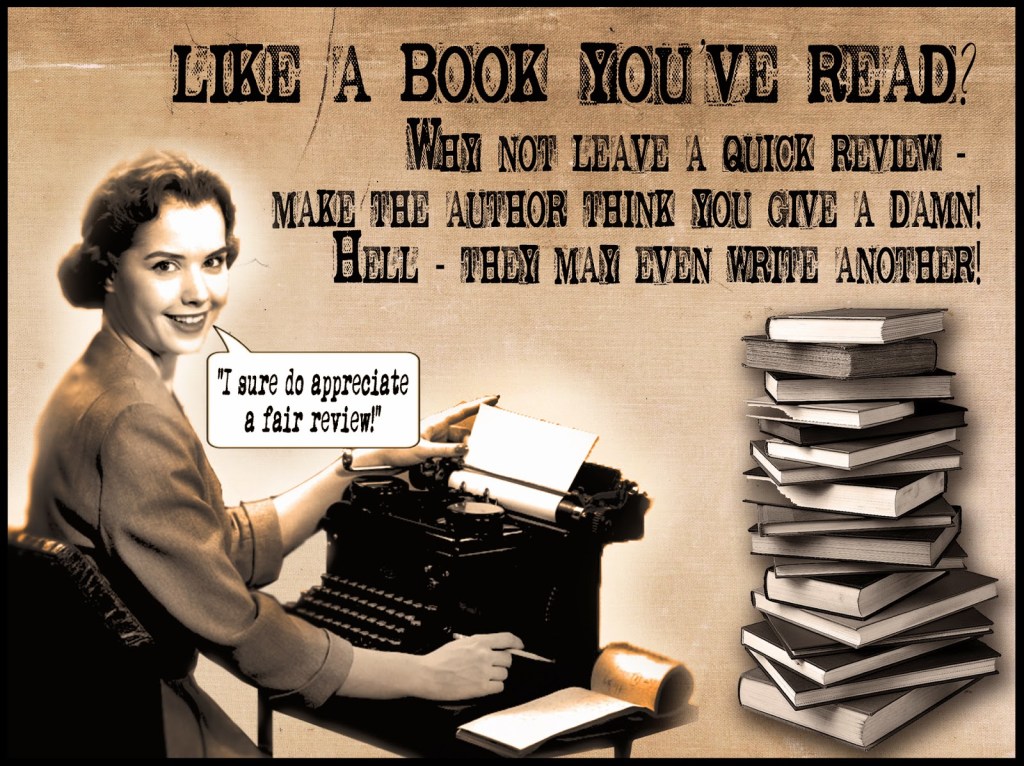
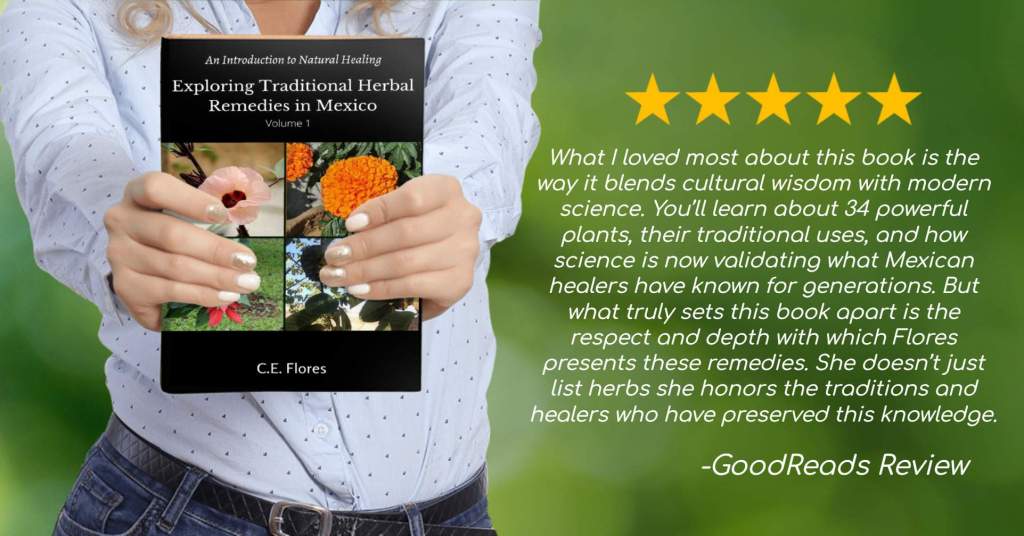
I received several new reviews on Goodreads for the books I uploaded to Muted Muse. I then selected choice snippets and created testimonial posts using MockUpShots, scheduling them to post once a week over the next few months. 

I also used Canva to make some Leave a Review (please) graphics and have them scheduled out once a month over the next couple of months. 

I wanted to share something that I believe could have an immediate impact on book sales.  It’s already affecting mine. I recently tried to order an author copy of one of my own books, only to discover I couldn’t get it shipped to Mexico (where I live). Amazon wouldn’t even let me add it to the shopping cart.

After digging around, I learned that because my books are printed in the U.S., and Amazon Mexico doesn’t have its own printing facilities, new tariffs make international shipping unfeasible. 

On top of that, Amazon raised print book prices in June, so I had to adjust my list prices to reflect those changes.

Print has always been my bread and butter, but with these new distribution and price hike hurdles, I shifted gears. I reviewed all my titles to ensure they were available on Kindle, which involved reformatting and tweaking several manuscripts. That part’s done, but the results? Not exactly encouraging. My Kindle Unlimited royalties for the first week of June barely broke the $1 mark after 10 days. Oof.

So, July’s focus is now all about reassessing and rebuilding my paid ad strategy. With these changes, I’m revisiting every campaign to figure out what’s still worth investing in and what’s not.

How did your book marketing go this month?

****

Book Hawking: A Beginner’s Guide to Marketing Your Self-Published Book is your roadmap to turning your hidden gem into a must-read!

June 2025 Book Marketing Challenge

Engage with Reviews — Building Credibility, One Word at a Time

This month, the focus is all about engaging with reviews and using them to build your credibility as an author.

Here’s the truth: Reviews are more than just validation. They are social proof. They help readers decide whether to invest their time and money in your story. They boost your book’s visibility on platforms like Amazon and Goodreads. And perhaps most importantly—they foster trust.

Why Reviews Matter

Imagine you’re browsing online for a book. You see two titles in your favorite genre—one has three reviews, the other has 203. Which one do you click on? Reviews are the modern-day word-of-mouth. They create buzz, spark curiosity, and instill confidence in readers, bookstores, and even the media.

So, how do you get those precious reviews? Let’s dive into the action steps for this month’s marketing challenge: 

✅ 1. Request Reviews from Bloggers and Influencers in Your Genre

Start building relationships with book bloggers and influencers who already speak to your target readers. Craft a compelling pitch and personalize it. In it, mention why your book might resonate with their audience. Many reviewers have submission guidelines, so take the time to read and follow them.

Pro Tip: Focus on micro-influencers too, those with smaller but highly engaged audiences. Their readers trust them deeply.

✅ 2. Use Platforms for ARC Distribution

NetGalley is the gold standard for distributing Advance Reader Copies (ARCs) to librarians, booksellers, and passionate readers who love reviewing. If the cost is a barrier, look for co-op programs through small publishers or author collectives.

Other ARC services include BookBub, BookSirens, Hidden Gems, Muted Muse and StoryOrigin. These platforms connect you directly with readers who are actively seeking new books to review.

✅ 3. Launch a Social Media Campaign Encouraging Reviews

Get creative. Share fun graphics or quotes from your book with a simple call to action: “Have you read [Your Book Title]? Leave a review! It makes a world of difference!”

Consider doing a giveaway. Enter readers who post reviews into a drawing for a signed copy, swag, or a 15-minute Zoom chat. Incentivize without buying reviews (which violates most platform guidelines).

Use hashtags like #bookreview, #bookstagram, or #readersofinstagram to widen your reach.

✅ 4. Share Positive Reviews Across Platforms

Every great review is a chance to celebrate—and to share social proof. Feature reviews in your newsletter, on your website, and across your social media channels. Turn them into Instagram Stories or quote graphics. Tag the reviewer when appropriate (with their permission), and always say thank you.

By highlighting the voices of your readers, you show new audiences that your book is making an impact, and that builds momentum.

Final Thought

It’s not just about getting reviews, the key is engaging with them. Your readers are taking the time to respond to your words. Meet them there. Celebrate them. Show them their voice matters.

Because when a reader says, “I couldn’t put it down,” or “This book changed me,” that’s not just a review, it’s a legacy in the making.

What creative ways have you encouraged or shared reader reviews?

****

Book Hawking: A Beginner’s Guide to Marketing Your Self-Published Book is your roadmap to turning your hidden gem into a must-read!
May 2025 Book Marketing Challenge Update

Marketing a book can sometimes feel like hiking uphill through a foggy forest to me. Like I kind of know where I’m going, but the path is murky, and the tools that work for others don’t always apply in my case. May has been a month of trying, pivoting, and accepting what fits for me, and what doesn’t.

🌿 Local Outreach Wins

This month brought a couple of small but meaningful victories on the local front. La Abeja Reina, a fabulous herb store franchise in town, has picked up my El boticario mexicano book. It’s exciting to see it on their shelves and know it’s visible to my local community, even if they don’t buy it, although there have been a few sales. 

A previous win for me was when a store in Monterrey, Cherokee by Nature, began carrying both the El boticario mexicano book and my children’s book Abuelita ¿Qué vamos a hacer hoy? ¡Hagamos rosca de reyes! Seeing them together in a store that aligns with my target audience always makes me smile!

I also had someone reach out locally this month looking for a children’s coloring book I published. He sent his mom to my door to pick it up since it’s no longer available online, and I happened to have one more copy. It took me by surprise, but pleasantly. 

🏛️ Library Roadblocks

I considered submitting my books to my hometown library, but their rules specify that they only accept works by authors who live in or write about the area. I let that idea go since that’s not my current location or focus.

🌎 Challenges with Broader Outreach

Living in a place where bookstores are few and far between and not in an expat hub makes traditional book marketing tricky. I attempted to research English-language bookstores in expat areas of Mexico, but most of the websites I found were outdated or broken, and contact information was nonexistent. So, for now, that path leads to a dead end.

🏆 Awards and Associations: Not My Scene

Many book marketing tips recommend submitting for awards or joining writers’ associations. I’ve realized that’s not where I shine. Submitting my work to awards feels overwhelming, and frankly, terrifying. Chalk it up to introvert hangups. I also tried joining a few Facebook groups for writers, but my feed quickly filled up with spammy posts and irrelevant content. There wasn’t much true networking happening, so I left those groups in the dust. 

🌿 A Human Connection from a Conference

I attended an herbalism conference in March, and while I didn’t go in with marketing as the goal, I ended up on a list shared with about 600 attendees who wanted to stay in touch. I added around 150 of them on Instagram, creating some organic, mutual interest connections. The rest shared emails, and since I’m not big on cold emailing strangers, I let those leads be. Still, I’m grateful for the connections I did make. 

Conclusion

Marketing doesn’t have to look one specific way. It doesn’t have to be loud, award-seeking, or full of Zoom calls and Facebook feeds. For me, it looks like small, intentional steps: placing books in the right hands, showing up where it feels aligned, and connecting with people who genuinely care.

If you’re an introverted or unconventional author walking your own winding trail, know that your way is valid, too.

What strategies have felt most natural for you when sharing your creative work?

***

Book Hawking: A Beginner’s Guide to Marketing Your Self-Published Book is your roadmap to turning your hidden gem into a must-read!

April 2025 Book Marketing Challenge Update

One of the most powerful tools in your book marketing toolkit is collaboration, especially when you’re looking to grow your audience organically. This past month, I focused on Leveraging Collaborations, and here’s how it went:

🤝 Author Cross-Promotions

I leaned into the #writerslift community on social media, a fantastic way to discover and support fellow writers. My goal was simple: Participate in at least one #writerslift per day. I followed writers in my niche, shared their original posts, and built up mutual support through likes, comments, and shares. It was a great way to connect and shine a spotlight on each other’s work without the pressure of constant self-promotion.

Follow me: 

✍️ Guest Features

Next, I took a more targeted approach by engaging with individuals and creators within my niche. For me, that includes children’s authors, herbalists, and preppers. My goal was to follow someone new every day, which helped me discover fresh voices and content while building potential for future collaborations. Whether it’s a guest blog swap, podcast invite, or social media feature, these little steps lay the groundwork.

📘 Facebook Author Groups

I also spent time in author groups on Facebook, spaces full of writers, readers, and inspiration. I didn’t pitch or promote aggressively but simply showed up and connected naturally. These groups offer more than just promo opportunities. They’re little ecosystems of support, learning, and encouragement.

🌟 Getting Book Reviews Through New Platforms

I added a few of my books to BookBub and Muted Muses. The response was encouraging. I received several new reviews on Amazon and Goodreads, thanks to these listings. It was a small action that created meaningful momentum.

🎤 Seeking Speaking Opportunities (Still on the Horizon)

While I didn’t find any virtual events to contribute to as a speaker or guest this month, I remain open to it. Sometimes, the right opportunity takes a little patience and serendipity. I’ll keep my eyes open, especially for events that align with my niche audiences.

🔚 Final Thoughts

Collaboration doesn’t have to be complicated or flashy. Sometimes, it’s as simple as showing up consistently, supporting others, and being open to new connections. Tapping into other people’s audiences—while genuinely cheering them on in return—creates real momentum over time.

This month was proof that small, consistent efforts in the right direction can yield surprising growth. And the best part? It’s just the beginning.

Did you use collaboration successfully this month? Let me know what’s working for you! ✨

***

Book Hawking: A Beginner’s Guide to Marketing Your Self-Published Book is your roadmap to turning your hidden gem into a must-read!
April 2025 Book Marketing Challenge

This month, my book marketing focus is on Leveraging Collaborations: tapping into new audiences through partnerships. While I don’t have any current opportunities lined up, I’ve successfully done this in the past, and I’m revisiting those strategies to inspire my April efforts.

Why Collaborations Matter

Working with other authors, bloggers, podcasters, and influencers can exponentially expand your reach. Instead of relying solely on your audience, collaborations introduce your book to fresh readers who might not have discovered it otherwise.

Past Collaborative Wins

Here are a few ways I’ve leveraged partnerships before:

  • Author Cross-Promotions – I’ve teamed up with fellow authors to share each other’s books through newsletters and social media.
  • Guest Features – Writing guest blog posts and appearing on podcasts allowed me to connect with niche audiences interested in my book’s themes.

Action Plan:

✅ Reach out to authors for potential cross-promotions.

✅ Research blogs and podcasts aligned with my book’s theme.

✅ Identify influencers who might be interested in reviewing my book.

✅ Look for virtual events where I can contribute as a speaker or guest.

Have you used collaborations to market your book?

***

Book Hawking: A Beginner’s Guide to Marketing Your Self-Published Book is your roadmap to turning your hidden gem into a must-read!
February 2025 Book Marketing Challenge

February’s focus is on being online, which is especially relevant to me since my physical location (rural Mexico) means in-person marketing doesn’t really happen. With Meta’s policy changes, I’ve taken a step back from Facebook and Instagram this year, similar to what I did when X (formerly Twitter) became too toxic. That doesn’t mean I don’t use those platforms; rather, I limit my engagement. I pop in, post, respond to anything that needs a response, and pop out. Whether or not this practice helps my book marketing remains to be seen, but it’s what I need to do for my own well-being. 

Month 2: Build an Online Presence

  • Focus: Establish platforms to connect with your audience.
  • Actions:
    • Create or update your social media profiles (Instagram, Facebook, Twitter, TikTok, etc.).
    • Join relevant online communities (e.g., Goodreads, Reddit).
    • Start a newsletter and offer a freebie (e.g., a chapter or guide).
    • Use tools like Linktree to simplify access to your platforms.

What are your social media strategies?

******************

Book Hawking: A Beginner’s Guide to Marketing Your Self-Published Book is your roadmap to turning your hidden gem into a must-read!

January 2025 Book Marketing Challenge Update

I have several niches for my books and will focus on the herb books this year. If I find this type of activity improves my sales, perhaps I’ll try the marketing challenge on the other niches in the future.

So here’s the breakdown of what I got done in January. Feel free to use the outline for your own marketing strategy.

Focus: Create a Solid Foundation


Step 1: Identify Your Target Audience

  1. Demographics:
    • Age range (middle age)
    • Gender balance (mostly female)
    • Geographic location (Mexico, US, Canada)
  2. Interests:
    • What genres or topics do they enjoy? (herbalism)
    • What platforms do they use? (Bluesky, Pinterest, Threads)
  3. Needs and Challenges:
    • What problems, desires, or questions could your book address?
      1. Understanding the use of native plants in Mexican herbalism
    • Why would they pick your book over others?
      1. It’s written in English rather than Spanish.
  4. Profile Example:
    • Create an “ideal reader avatar” 

Ideal Reader Avatar: Sofia the Herbal Enthusiast


Demographics

  • Name: Sofia Martinez
  • Age: 45
  • Gender: Female
  • Location: Lives in the United States (California), with family roots in Mexico
  • Education/Profession: Educated professional (e.g., teacher, wellness coach, or small business owner). Interested in holistic wellness and cultural traditions.

Interests

  • Primary Passion: Herbalism and natural remedies.
  • Related Interests:
    • Cultural heritage and preserving ancestral wisdom.
    • DIY natural skincare or remedies found on Pinterest.
    • Sharing knowledge or connecting with like-minded individuals on Threads or Bluesky.

Needs and Challenges

  • Pain Points:
    • Struggles to find comprehensive resources on Mexican herbalism in English.
    • Finds most herbalism books focus on Western or Ayurvedic traditions rather than native Mexican practices.
    • Wants to reconnect with her cultural roots or learn more about them for personal growth or teaching others.
  • Desires:
    • A deeper understanding of the traditional use of native plants in Mexican herbalism.
    • Practical, easy-to-follow instructions and recipes to integrate into her life.
    • A book that feels approachable yet honors cultural authenticity.

Why She Picks Your Book

  • Unique Selling Point (USP):
    • Written in English for readers in North America who may not be fluent in Spanish.
    • Combines traditional wisdom with modern accessibility, offering both cultural and practical value.
    • Designed beautifully, making it a book Sofia would proudly display or gift to others.

Platforms Where Sofia Engages

  • Bluesky: Explores niche communities discussing herbalism, wellness, and culture.
  • Pinterest: Searches for natural remedies, plant-based recipes, and DIY herbal guides.
  • Threads: Follows authors and thought leaders discussing ancestral wisdom, wellness trends, and cultural stories.

Sofia’s Day in the Life

Sofia begins her morning with herbal tea, a blend inspired by her grandmother’s remedies. While scrolling through Pinterest, she pins a guide on creating tinctures. During her work break, she checks Threads for quick insights from her favorite authors. In the evening, she unwinds by reading about plants like epazote and damiana, eager to understand their uses in traditional Mexican healing.


Step 2: Define Your Brand Voice and Message

Your brand is how readers connect with you as an author. Clarify:

  1. Tone:
    • Friendly, professional, humorous, spiritual, etc.? (friendly, informative, sometimes humorous)
  2. Core Themes:
    • What themes does your book explore? (traditional plant uses, remedies, scientific research supporting these uses)
  3. Key Messages:
    • What should readers feel or learn from your book? (Readers should come away with a deep appreciation for traditional remedies, understanding that they are grounded in verifiable scientific principles.)
    • A simple tagline for your book/brand (e.g., “Ancient Wisdom, Modern Science: Unveiling the Secrets of Mexican Herbal Healing”).
  4. Visual Identity:
    • Choose consistent fonts, colors, and imagery for your website, social media, and marketing materials. (green/white cactus)

Step 3: Set Measurable Goals

Break your goals into manageable chunks:

  1. Sales Goals:
    • How many books would you like to sell in 3, 6, or 12 months?
    • 20 books per month
  2. Audience Growth:
    • Website subscribers (SurvivingMexico.com at 909. By the end of 2025, 1000)
    • Social media followers
      1. Pinterest
        1. 613 followers  (700 by the end of 2025)
        2. 317 following (500 by the end of 2025)
      2. Threads
        1. 48 followers (By the end of 2025, 100)
      3. Bluesky
        1. 64 followers, 69 following, 68 posts (By the end of 2025, 100)
  3. Engagement Goals:
  4. Marketing Milestones:
    • Host a launch event with 100 attendees. (not possible at current location in rural Mexico)
    • Partner with 5 influencers or authors. (I find connecting difficult, but we’ll see what we can do this year)

Step 4: Optimize Your Author Website SurvivingMexico.com

Your website is your central hub. Ensure it is:

  • User-Friendly:
    • Mobile-optimized and fast-loading. 
    • Clear navigation with sections like About Me, Books, Blog, Contact.
  • Book Landing Page: (LINK)
    • Include your book cover, a compelling blurb, purchase links, and endorsements.
    • Add an email subscription form with a freebie (e.g., a sample chapter). (It’s a website, not a newsletter, so no freebie) Can I add a freebie to the landing page? HMMMM
  • SEO-Friendly:
    • Use keywords that potential readers would search for.
    • Create blog content related to your book’s themes.
  • Track Performance:
    • Install Google Analytics to monitor traffic and audience behavior. (I use JetPack)

Step 5: Design a Content Calendar for the Year

A well-planned calendar ensures consistent marketing:

  1. Start with Monthly Focuses:

January: Plant Healing Properties

Highlight the medicinal properties of various herbs and plants.

February: Cold & Flu Remedies

Share tips, recipes, and remedies to stay healthy during flu season.

March: Spring Cleansing and Detox

Focus on herbal remedies for gentle detoxification and preparing for spring.

April: Garden Planning for Herbalists

Share tips for starting an herb garden, focusing on native Mexican plants.

May: Women’s Wellness and Hormonal Balance

Explore herbs that support women’s health and hormonal harmony.

June: Herbs for Energy and Vitality

Share recipes and tips for staying active and refreshed in the summer heat.

July: Digestive Health and Herbal Teas

Share herbal teas and remedies for digestive health, perfect for summer indulgences.

August: Stress Relief and Relaxation

Focus on herbs like lavender and valerian for calming and relaxation.

September: Back-to-School Wellness

Offer tips for boosting immunity and focus during the school season.

October: Ancestral Healing Traditions

Dive into the cultural and spiritual significance of herbs in Día de los Muertos and ancestral practices.

November: Warming Herbs for Fall

Celebrate autumn with warming herbs like cinnamon and ginger for seasonal health.

December: Winter Wellness

Share recipes for atole or champurrado made with natural ingredients and herbs.

Offer tips for creating herbal punch (ponche navideño) with tejocote and other seasonal fruits.

Dive into the herbs and plants often used in tamales, such as hoja de maíz or hoja santa.

  1. Plan Content Types:
    • Blog posts
      • new plant studies each month (already scheduled for 2025)
      • Updates on community advancement in La Yacata (need to write and schedule)
    • Social media posts (e.g., quotes, teasers, videos). (plants/remedies & monthly book highlights) 
    • Email newsletters (e.g., updates, giveaways). (posts are sent as emails)
  2. Schedule Regular Posts:
    • Social media: 3–5 posts per week. (7)
    • Blog: 1–2 posts per month. (2-3)
    • Newsletter: 1–2 emails per month. (NO)
  3. Use Tools:
    • Tools like Trello, Notion, or Google Sheets for planning. (Google Calendar/Google docs)
    • Social media schedulers (e.g., Buffer, Hootsuite) for automated posting. (NO)

Whew! That was a lot to get done. But hopefully, with the foundation now set, I’ll be able to be more organized with my book marketing strategies. What would you add to this list?

*****************

Book Hawking: A Beginner’s Guide to Marketing Your Self-Published Book is your roadmap to turning your hidden gem into a must-read!