January 2025 Book Marketing Challenge Update

I have several niches for my books and will focus on the herb books this year. If I find this type of activity improves my sales, perhaps I’ll try the marketing challenge on the other niches in the future.

So here’s the breakdown of what I got done in January. Feel free to use the outline for your own marketing strategy.

Focus: Create a Solid Foundation


Step 1: Identify Your Target Audience

  1. Demographics:
    • Age range (middle age)
    • Gender balance (mostly female)
    • Geographic location (Mexico, US, Canada)
  2. Interests:
    • What genres or topics do they enjoy? (herbalism)
    • What platforms do they use? (Bluesky, Pinterest, Threads)
  3. Needs and Challenges:
    • What problems, desires, or questions could your book address?
      1. Understanding the use of native plants in Mexican herbalism
    • Why would they pick your book over others?
      1. It’s written in English rather than Spanish.
  4. Profile Example:
    • Create an “ideal reader avatar” 

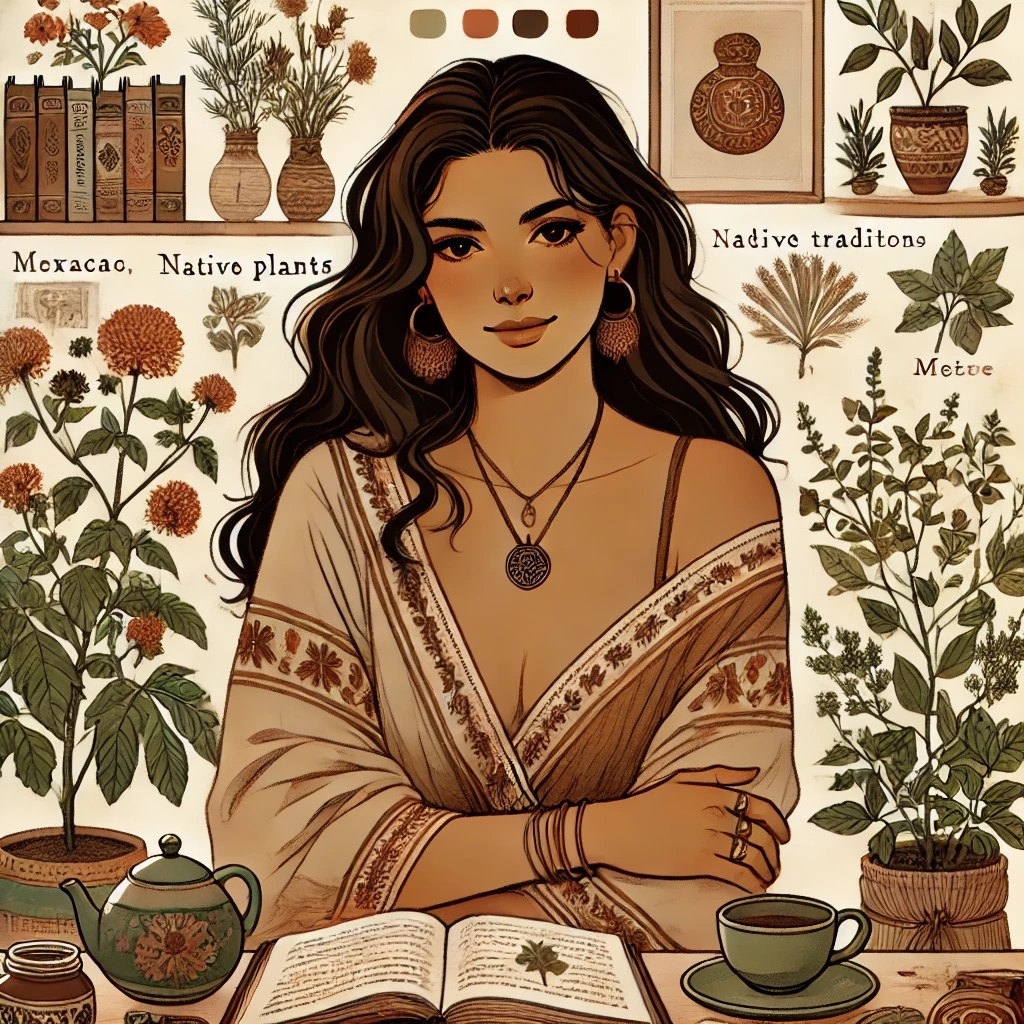
Ideal Reader Avatar: Sofia the Herbal Enthusiast


Demographics

  • Name: Sofia Martinez
  • Age: 45
  • Gender: Female
  • Location: Lives in the United States (California), with family roots in Mexico
  • Education/Profession: Educated professional (e.g., teacher, wellness coach, or small business owner). Interested in holistic wellness and cultural traditions.

Interests

  • Primary Passion: Herbalism and natural remedies.
  • Related Interests:
    • Cultural heritage and preserving ancestral wisdom.
    • DIY natural skincare or remedies found on Pinterest.
    • Sharing knowledge or connecting with like-minded individuals on Threads or Bluesky.

Needs and Challenges

  • Pain Points:
    • Struggles to find comprehensive resources on Mexican herbalism in English.
    • Finds most herbalism books focus on Western or Ayurvedic traditions rather than native Mexican practices.
    • Wants to reconnect with her cultural roots or learn more about them for personal growth or teaching others.
  • Desires:
    • A deeper understanding of the traditional use of native plants in Mexican herbalism.
    • Practical, easy-to-follow instructions and recipes to integrate into her life.
    • A book that feels approachable yet honors cultural authenticity.

Why She Picks Your Book

  • Unique Selling Point (USP):
    • Written in English for readers in North America who may not be fluent in Spanish.
    • Combines traditional wisdom with modern accessibility, offering both cultural and practical value.
    • Designed beautifully, making it a book Sofia would proudly display or gift to others.

Platforms Where Sofia Engages

  • Bluesky: Explores niche communities discussing herbalism, wellness, and culture.
  • Pinterest: Searches for natural remedies, plant-based recipes, and DIY herbal guides.
  • Threads: Follows authors and thought leaders discussing ancestral wisdom, wellness trends, and cultural stories.

Sofia’s Day in the Life

Sofia begins her morning with herbal tea, a blend inspired by her grandmother’s remedies. While scrolling through Pinterest, she pins a guide on creating tinctures. During her work break, she checks Threads for quick insights from her favorite authors. In the evening, she unwinds by reading about plants like epazote and damiana, eager to understand their uses in traditional Mexican healing.


Step 2: Define Your Brand Voice and Message

Your brand is how readers connect with you as an author. Clarify:

  1. Tone:
    • Friendly, professional, humorous, spiritual, etc.? (friendly, informative, sometimes humorous)
  2. Core Themes:
    • What themes does your book explore? (traditional plant uses, remedies, scientific research supporting these uses)
  3. Key Messages:
    • What should readers feel or learn from your book? (Readers should come away with a deep appreciation for traditional remedies, understanding that they are grounded in verifiable scientific principles.)
    • A simple tagline for your book/brand (e.g., “Ancient Wisdom, Modern Science: Unveiling the Secrets of Mexican Herbal Healing”).
  4. Visual Identity:
    • Choose consistent fonts, colors, and imagery for your website, social media, and marketing materials. (green/white cactus)

Step 3: Set Measurable Goals

Break your goals into manageable chunks:

  1. Sales Goals:
    • How many books would you like to sell in 3, 6, or 12 months?
    • 20 books per month
  2. Audience Growth:
    • Website subscribers (SurvivingMexico.com at 909. By the end of 2025, 1000)
    • Social media followers
      1. Pinterest
        1. 613 followers  (700 by the end of 2025)
        2. 317 following (500 by the end of 2025)
      2. Threads
        1. 48 followers (By the end of 2025, 100)
      3. Bluesky
        1. 64 followers, 69 following, 68 posts (By the end of 2025, 100)
  3. Engagement Goals:
  4. Marketing Milestones:
    • Host a launch event with 100 attendees. (not possible at current location in rural Mexico)
    • Partner with 5 influencers or authors. (I find connecting difficult, but we’ll see what we can do this year)

Step 4: Optimize Your Author Website SurvivingMexico.com

Your website is your central hub. Ensure it is:

  • User-Friendly:
    • Mobile-optimized and fast-loading. 
    • Clear navigation with sections like About Me, Books, Blog, Contact.
  • Book Landing Page: (LINK)
    • Include your book cover, a compelling blurb, purchase links, and endorsements.
    • Add an email subscription form with a freebie (e.g., a sample chapter). (It’s a website, not a newsletter, so no freebie) Can I add a freebie to the landing page? HMMMM
  • SEO-Friendly:
    • Use keywords that potential readers would search for.
    • Create blog content related to your book’s themes.
  • Track Performance:
    • Install Google Analytics to monitor traffic and audience behavior. (I use JetPack)

Step 5: Design a Content Calendar for the Year

A well-planned calendar ensures consistent marketing:

  1. Start with Monthly Focuses:

January: Plant Healing Properties

Highlight the medicinal properties of various herbs and plants.

February: Cold & Flu Remedies

Share tips, recipes, and remedies to stay healthy during flu season.

March: Spring Cleansing and Detox

Focus on herbal remedies for gentle detoxification and preparing for spring.

April: Garden Planning for Herbalists

Share tips for starting an herb garden, focusing on native Mexican plants.

May: Women’s Wellness and Hormonal Balance

Explore herbs that support women’s health and hormonal harmony.

June: Herbs for Energy and Vitality

Share recipes and tips for staying active and refreshed in the summer heat.

July: Digestive Health and Herbal Teas

Share herbal teas and remedies for digestive health, perfect for summer indulgences.

August: Stress Relief and Relaxation

Focus on herbs like lavender and valerian for calming and relaxation.

September: Back-to-School Wellness

Offer tips for boosting immunity and focus during the school season.

October: Ancestral Healing Traditions

Dive into the cultural and spiritual significance of herbs in Día de los Muertos and ancestral practices.

November: Warming Herbs for Fall

Celebrate autumn with warming herbs like cinnamon and ginger for seasonal health.

December: Winter Wellness

Share recipes for atole or champurrado made with natural ingredients and herbs.

Offer tips for creating herbal punch (ponche navideño) with tejocote and other seasonal fruits.

Dive into the herbs and plants often used in tamales, such as hoja de maíz or hoja santa.

  1. Plan Content Types:
    • Blog posts
      • new plant studies each month (already scheduled for 2025)
      • Updates on community advancement in La Yacata (need to write and schedule)
    • Social media posts (e.g., quotes, teasers, videos). (plants/remedies & monthly book highlights) 
    • Email newsletters (e.g., updates, giveaways). (posts are sent as emails)
  2. Schedule Regular Posts:
    • Social media: 3–5 posts per week. (7)
    • Blog: 1–2 posts per month. (2-3)
    • Newsletter: 1–2 emails per month. (NO)
  3. Use Tools:
    • Tools like Trello, Notion, or Google Sheets for planning. (Google Calendar/Google docs)
    • Social media schedulers (e.g., Buffer, Hootsuite) for automated posting. (NO)

Whew! That was a lot to get done. But hopefully, with the foundation now set, I’ll be able to be more organized with my book marketing strategies. What would you add to this list?

*****************

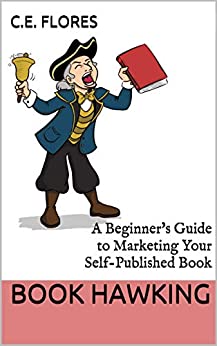
Book Hawking: A Beginner’s Guide to Marketing Your Self-Published Book is your roadmap to turning your hidden gem into a must-read!
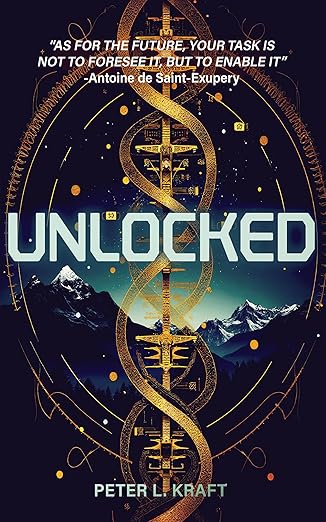
Unlocked: The Dawn of Unlocking Superhuman Abilities by Peter Kraft

Peter Kraft’s Unlocked: The Dawn of Unlocking Superhuman Abilities is a thrilling techno-science adventure that explores the ethical and moral implications of humanity’s pursuit of perfection. Set in the futuristic confines of Switzerland’s E-Labs, the novel introduces Dr. Natalia Accorsi and her team, who discover “combinations” capable of unlocking extraordinary superhuman abilities like telekinesis and telepathy. This groundbreaking achievement sets the stage for a high-stakes conflict involving shadowy conspiracies, espionage, and the survival of humanity itself.

I especially enjoyed the character development of Dr. Accorsi, a scientist torn between her commitment to advancing human potential and her fears of unleashing catastrophic consequences. Her internal struggles and evolving resilience resonate deeply, making her a compelling protagonist. Additionally, the twist involving the true identity of her nemesis adds a layer of unpredictability, keeping readers engaged.

One of the book’s unique elements is its integration of Maya history and mysticism into the scientific narrative. The suggestion that the Maya were the first to “unlock” superhuman potential offers a fascinating link between ancient wisdom and modern innovation. However, it’s important to note that depicting the Maya civilization as “destroyed” is misleading, as the Maya people continue to thrive today, albeit without centralized governance. This historical oversight is a minor flaw in an otherwise intriguing premise.

The novel’s climax, the explosive destruction of the lab during a battle of ideologies, brings to mind the epic clashes of superheroes like Superman and General Zod. The action is intense and cinematic. However, the middle portion of the book lags slightly, with repetitive deliberations on the ethical dilemmas of revealing the combinations to the world. While these discussions provide necessary context, they slow the narrative’s momentum.

The use of algorithms and controlled experiments adds authenticity to the scientific backdrop, creating moments of gripping suspense as the team tests each combination. The ending teases a promising exploration of collaborations between modern scientists and Maya shamans in future books, setting up an exciting continuation.

Overall, Unlocked is a thought-provoking read that will captivate fans of sci-fi and techno-thrillers. Readers are invited to ponder humanity’s potential and the choices that define our future.

Being on the Wing: Navigating the Enneagram Subtypes by Dr. Angela McCaffrey Rosenberg

Being on the Wing: Navigating the Enneagram Subtypes by Dr. Angela McCaffrey Rosenberg offers a fresh and enchanting approach to understanding the Enneagram by exploring each personality type through the lens of birds. Using captivating bird analogies, Rosenberg makes the complex world of Enneagram subtypes approachable. Her unique choice to connect each of the nine Enneagram types with a particular bird allows readers to explore personality traits in a lighthearted and engaging way, making it easy for Enneagram enthusiasts and newcomers to connect with her insights.

Each section in Being on the Wing delves into the characteristics, strengths, challenges, and growth pathways for each of the nine Enneagram types, reimagined as distinct bird personalities. Through these bird archetypes, Rosenberg illustrates each personality type’s core motivations and struggles in a way that feels alive, personal, and grounded in nature. 

The book is further enriched by beautiful, original illustrations, enhancing its appeal for visual learners and bird lovers alike. These vibrant illustrations add to the charm of Rosenberg’s writing, making the Enneagram feel accessible to people who may not have previously engaged with the system. Including quotes from various authors adds depth to each chapter, offering thought-provoking reflections and insights into the wonderful world of birds. This combination of illustrative art and carefully chosen quotes makes Being on the Wing a visually captivating and spiritually enriching experience.

A particularly enjoyable feature of the book is its humor and informal tone. Rosenberg writes with warmth and ease, making complex psychological concepts feel inviting rather than daunting. Her engaging style is filled with humor and a touch of whimsy, making it a pleasure to read, even for those unfamiliar with Enneagram theory. I found myself rereading passages for the sheer enjoyment of it. Additionally, the “bird quiz” at the beginning of the book is a helpful tool for readers to identify their own personality subtype, enhancing the book’s interactive and personal nature. 

Rosenberg’s Being on the Wing goes beyond merely describing the Enneagram types; it also provides readers with practical tips for self-growth and personal well-being tailored to each bird type. She encourages readers to reflect on their strengths and challenges, suggesting how each type can work toward personal growth.

For anyone interested in the Enneagram, nature, or the beauty of birds, Being on the Wing is a delightful and informative read. It offers valuable insights into self-awareness, encourages personal growth, and fosters an appreciation for both human and avian nature. Even without a deep knowledge of the Enneagram, readers can enjoy this book for its engaging stories. 

I received an ARC from Reedsy Discovery. See my review HERE.

2025 Book Marketing Challenge

Along with my reading and writing challenges, I want to step up my game a bit on the marketing front this year. What’s the point of writing books if nobody is reading them? So, with a little help from AI, I have the beginnings of a 12-month plan to get my books into the hands of eager readers. 

What I’ll do is give you the marketing suggestions in the first post and then update you next month on how I did with them. Perhaps these ideas will help you in your own book marketing.

Month 1: Define Your Brand & Goals

  • Focus: Create a solid foundation for your marketing efforts.
  • Actions:
    • Identify your target audience (age, interests, needs).
    • Define your brand voice and message.
    • Set measurable goals (e.g., sales numbers, followers gained).
    • Optimize your author website with a landing page for your book.
    • Design a content calendar for the year.

*******

In Book Hawking: A Beginner’s Guide to Marketing Your Self-Published Book, you’ll learn about simple and inexpensive ways to let the world know about your book.

2025 WIP Challenge

Well, here we are in 2025, and I still have a buttload of WIPs to crank out. Here’s my wish list of finished drafts by the end of the year:

La Yacata Insurrection (ongoing). This will have regular updates as our community projects develop. I don’t expect this to be finished this year, but I will be working on it.

Lupita’s tamalada in English and Spanish. The first drafts of these books are finished. They still need some polishing, and then I need to send the drafts to my illustrator, who could take up to a year to create the illustrations. SOOOOO, I don’t expect this book to be published this year either. 

I’d also like to work on the Apothecary series, but whether I focus on the wellness garden, wellness drinks, or women’s remedies remains to be seen. 

I’d like to do the employment book for the La Yacata series and/or the first book of the Woman’s Survival Guide series. I think I could finish one, but not both this year. 

I also have a book in the Women in the Bible series centered on Jacob’s family, but there’s quite a bit of work that needs to be done with that one. 

My goals seem rather vague this year, and I expect I’ll need to refine them as I go along, but here’s where I’m going to start.

What are your writing goals for the year?

WIP 2024 – December Results

December was kinda a blur. I know I did some writing, but I can’t pinpoint exactly which WIP I worked on. Maybe herb book 6, definitely La Yacata Insurrection, and even some fine-tuning of the next book in the Lupita series. I know I didn’t finish anything this month. 

So, let’s look back at 2024’s progress (or lack thereof), shall we?

My January 2024 goal was to finish six books, one from each series. What I managed to get published was one new book and one compilation, which is a bit disappointing. Not that I’m not thrilled with these books, but I had hoped for a little more productivity this year. As that didn’t happen, I’ll need to rethink my writing goals for 2025. 

Exploring Traditional Herbal Remedies in Mexico Volume 5: Botanical Treasures from Acuya to Zarzaparrilla

Exploring Traditional Herbal Remedies in Mexico Special Edition, Volumes 1-5

How did your writing go in 2024?

2025 Reading Challenge

I really enjoyed my reading challenge last year. I think it made a difference that I didn’t try and pick a certain category for each month, but had options to choose from. So yep, I’m going to do a reading challenge this year.

I’m starting with two categories that I did not complete in prior challenges, a book on my shelf already, and a hardcover book. I think those will be easy to incorporate in the reads for the year.

I found this 2025 reading challenge list and since it seems like it covers a broad spectrum (and has 16 categories), I’m going to use it myself.

What are you reading?

2024 Reading Challenge Roundup

So, how did I do? Well, let’s take a look, shall we?

So carrying over to 2025, I have a book on my shelf and a hardcover book. Not too shabby, I think. How did your reading go this year?

Want to take a look at my previous reading challenge roundups?

2020

2021

2022

Reading Roundup 2022

January

February

March

Immigrant Secrets: The Search for my Grandparents by John Mancini

April

May

The Garden of Small Beginnings by Abbi Waxman

June

July

The Grieving Brain: The Surprising Science of How We Learn from Love and Loss by Mary-Frances O’Connor

August

Conscious Breathing: The Art of Meditation by Larry Snyder, MD

September

The INFJ Writer: Cracking the Creative Genius of the World’s Rarest Type by Lauren Sapala

October

The Upside of Down: The Sky Above and The Mud Below by Joel Bernard

November

December